



India has always been a source of vast wealth. In the 18th century, before India’s deindustrialization at the hands of the British Raj, it held over 24 percent of the world’s wealth. Today, India ranks second worldwide in farm outputs. Agriculture employs 50 % of the Indian work force and contributes roughly 18 % to country’s GDP. India is a market to be reckoned with, and a great opportunity for companies with meaningful experience to contribute.
Your grandfather’s tractor
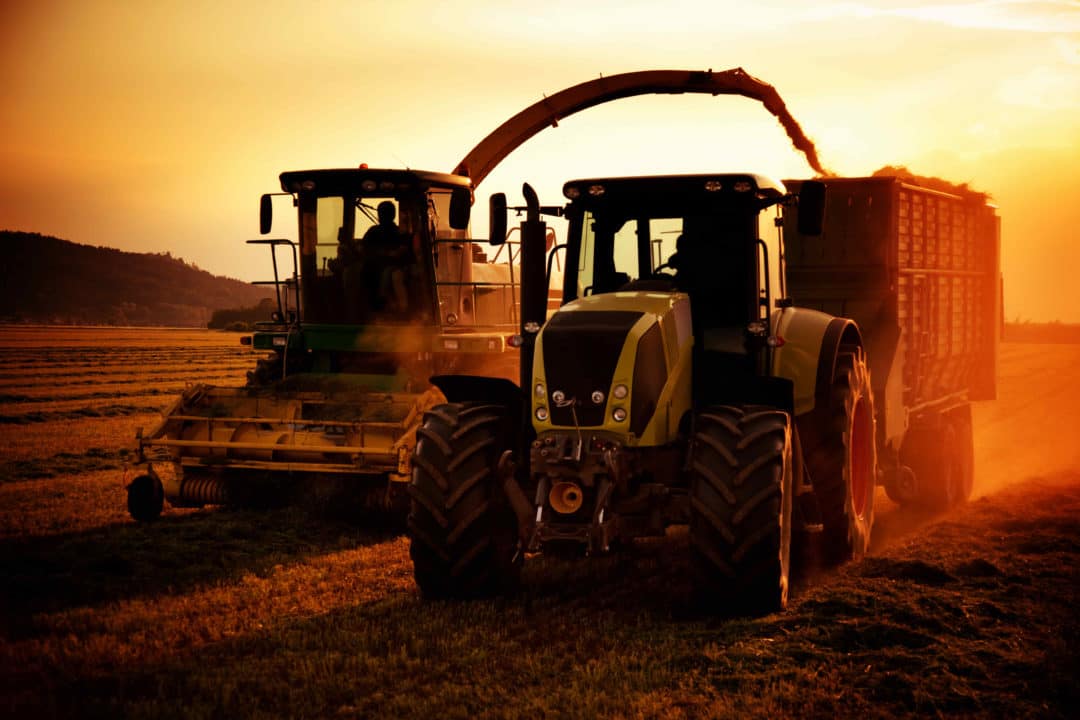
If you want to get a sense of tractors in India, do a Google image search using the term “tractors India.” The cabinless machines may make you nostalgic for your grandfather’s farm, the open air and the smell of the harvest.
“Some companies are still producing tractors introduced in the 1960s,” says Aki Komulainen, Fortaco’s Director of Cabin Technology, “and that’s because they’re very good machines for their purpose: simple, robust, easy to service, and proven in the field.” Small tractors make sense in India, where the average farm size is estimated to be 1.15 hectares, and there is not a culture of farming collectives where equipment is shared across multiple farms. Government policy also serves to keep farm size small and encourage family farming.
New regs, new cabins
But as India reasserts itself on the world stage, a culture of safety is on the rise. In the next few years, new safety regulations are coming into force for newly manufactured tractors. “No one yet knows exactly what the new regulations will call for, but we can be sure they’ll include European-style ROPS and FOPS,” says Fortaco’s Komulainen, referencing roll-over protection and falling-object protection. “And because of the recent rise in family car comfort in India, farmers are also demanding air conditioning in tractor cabins.” The new cabins will minimize vibrations and noise, include air filtration systems for pesticide handling, and be delivered at a cost significantly lower than in Europe.
Typically, a cabin for the Indian market must be delivered for around 1,500 euros, versus a European cabin which could easily cost ten times more. “But a one-to-one comparison here is not appropriate,” clarifies Komulainen, who notes that a typical Indian cabin is a drop-on cabin with no floor structure, pedals, or heating unit. “However, cabins for the Indian market cannot be stripped-down European cabins. They must be specifically designed and manufactured for the purpose to meet all needed requirements.”
Local partnership
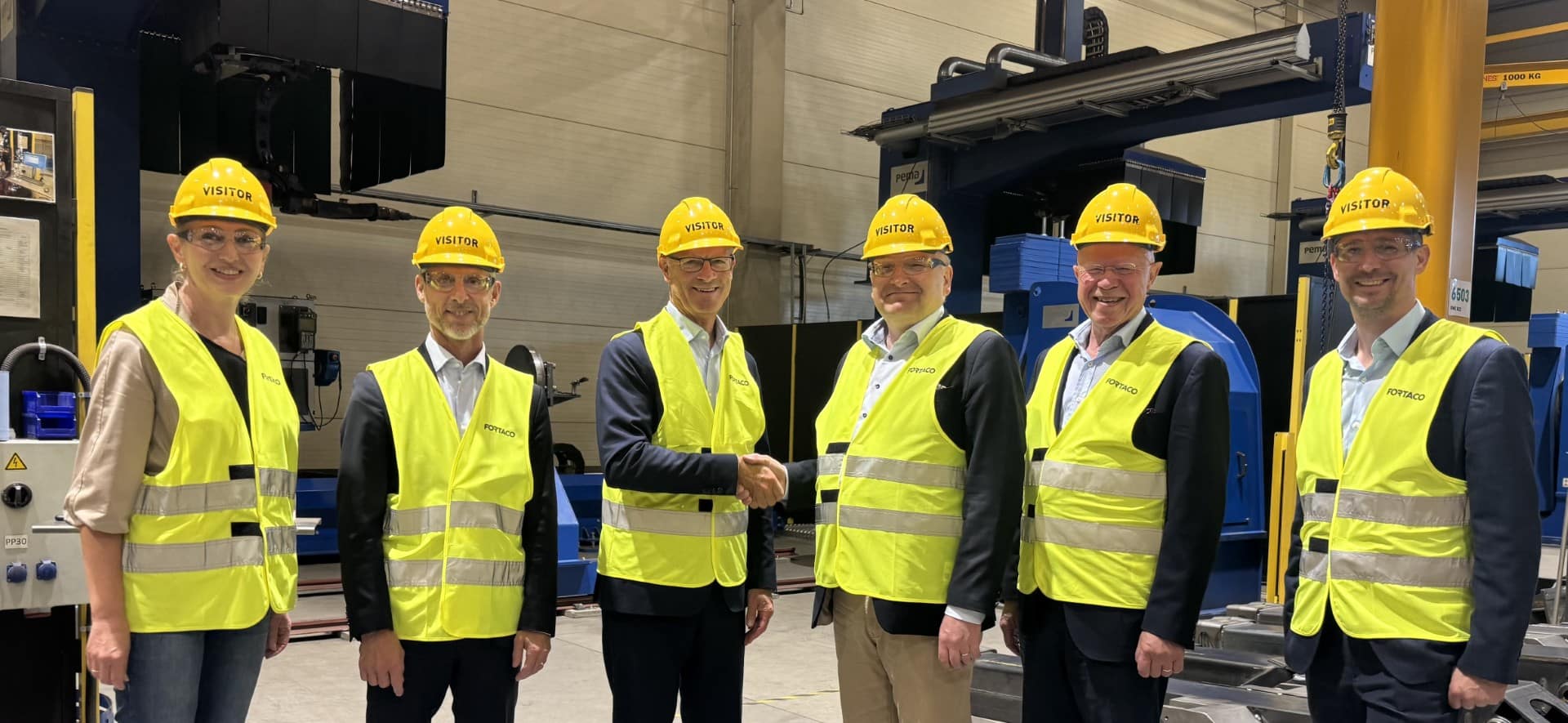
In September 2018, Fortaco and Tata AutoComp Systems Limited signed a memorandum of understanding. Fortaco will provide technical expertise, cabin know-how, and design competence. Tata will provide the manufacturing facilities near the city of Pune in western India, home to many global OEMs.
“The tractor market in India is estimated to be 700,000 units per year,” says Komulainen, “and a good partnership like this is the key to growth in the market.”
Beyond agriculture, other off-highway businesses in India are also experiencing growth. According to Construction Week, manufacturers in the construction and mining equipment market have enjoyed double-digit growth. Aki Komulainen says Fortaco is also looking at the construction market, participating in the last Bauma expo to develop construction contacts in India. There are plenty of Indian OEMs, plus European manufacturers are showing clear interest in the Indian market.”
Bringing flexibility
India continues to compete neck and neck with China for the title of world’s fastest-growing large economy. In 2018, India’s economy improved 23 spots in the World Bank’s Ease of Doing Business ranking.
It’s a dynamic market waiting to be served. “Local manufacturers often make cabins for only one specific customer, or they are limited by geography,” says Komulainen. “Fortaco’s 30 years of experience mean we can bring real flexibility to the market.”